
Force of Destiny
An exciting collaboration between the Alpharetta Symphony and Harmonia Atlanta brings together the full expressive power of orchestra and chorus in a program of extraordinary depth and beauty. When a symphony and a chorus unite, the result is more than a performance, it is a shared artistic experience that amplifies drama, faith, and emotion in ways neither ensemble could achieve alone. This partnership highlights the richness of the choral-orchestral tradition, pairing operatic intensity with sacred grandeur and contemporary lyricism.
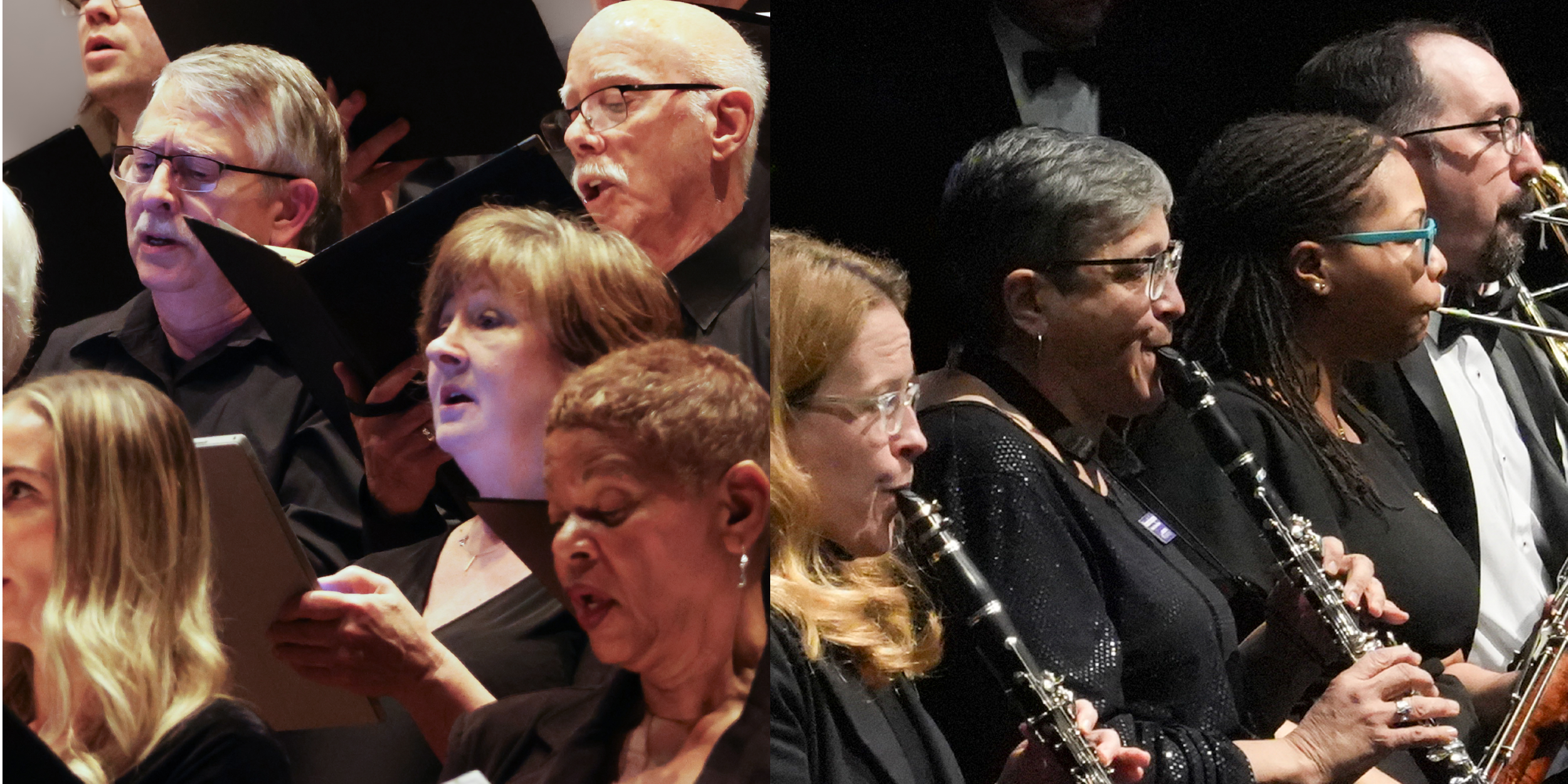
Together, these ensembles present a program that spans centuries and styles, showcasing the enduring power of music to move and inspire.
Giuseppe Verdi’s La Forza del Destino (The Force of Destiny) stands as one of the most dramatic and philosophically intense operas of the nineteenth century. Premiered in 1862 in St. Petersburg and later revised for Italian audiences, the opera reflects Verdi’s mature style marked by sweeping orchestration, psychological depth, and an unrelenting sense of fate. Based on a Spanish drama by Ángel de Saavedra, the story explores themes of destiny, guilt, revenge, and redemption. Unlike Verdi’s earlier works, which often centered on political conflict or romantic tragedy alone, La Forza del Destino delves into the idea that unseen forces shape human lives beyond personal control. Its famous overture, with its ominous brass motif representing fate, has become one of the most recognizable openings in all of opera. The work’s importance lies not only in its powerful music but also in its ambitious structure and emotional scope, bridging traditional Italian opera with a more expansive, almost symphonic dramatic style.
Antonín Dvořák’s Te Deum, composed in 1892, represents a vibrant and celebratory peak of the choral repertoire. Written shortly before Dvořák departed for the United States to direct the National Conservatory of Music in New York, the work was commissioned to celebrate the 400th anniversary of Christopher Columbus’s arrival in the Americas. Instead of composing a large orchestral symphony for the occasion, Dvořák chose the ancient Christian hymn “Te Deum laudamus” (“We praise thee, O God”) as his text.
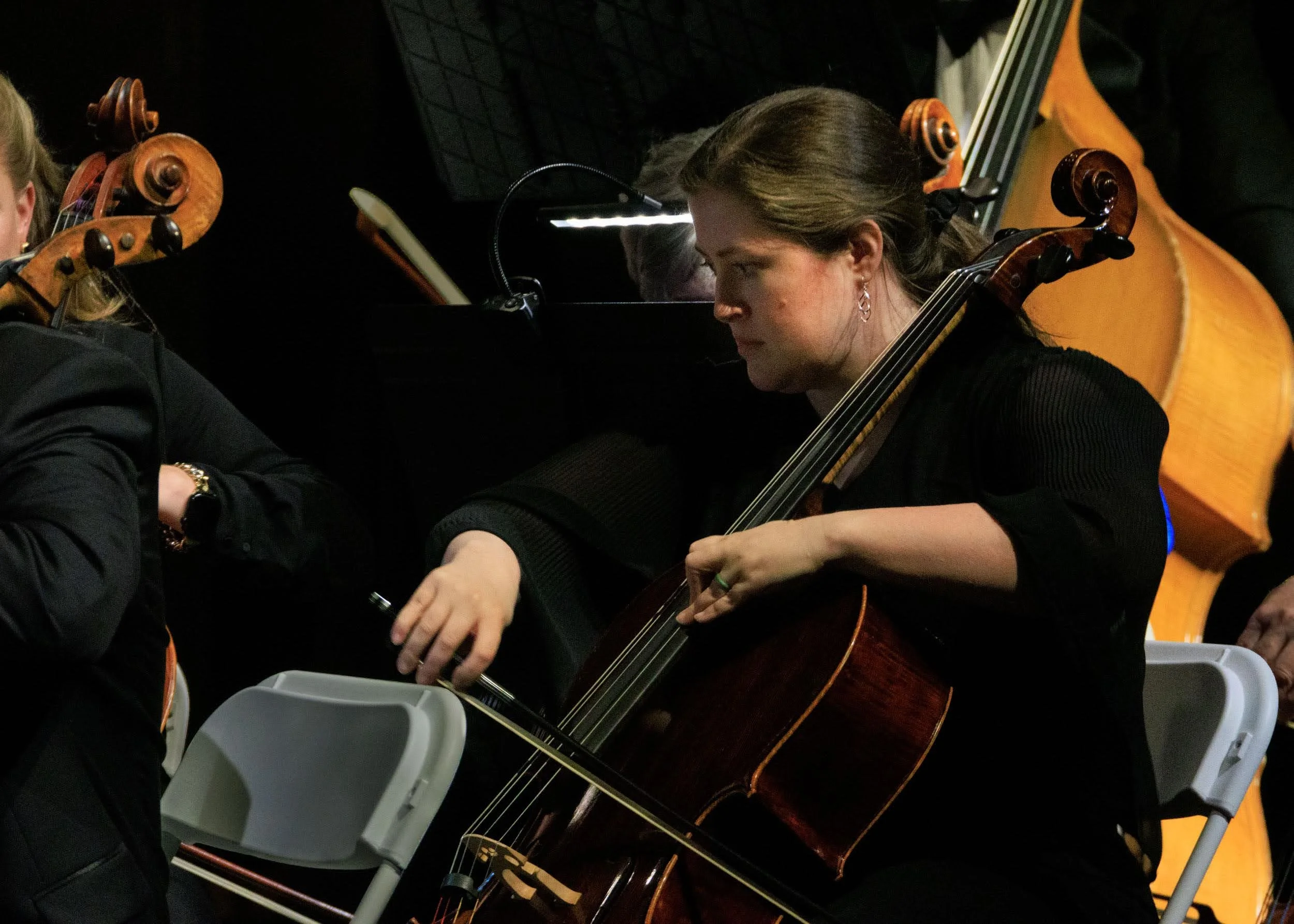
The result is a radiant work that blends Czech melodic warmth with grand ceremonial brilliance. Structured in four connected movements, Te Deum alternates between triumphant choral proclamations and lyrical, introspective passages for soloists.
Its importance lies in its ability to convey both communal celebration and profound spiritual gratitude, marking a transitional moment in Dvořák’s life as he stepped onto an international stage.
John Rutter’s Requiem, composed in 1985, offers a more modern and contemplative perspective on sacred music. Unlike the traditional Latin Requiem Mass settings by composers such as Mozart or Verdi, Rutter’s version weaves together selected Latin texts with English psalms from the Book of Common Prayer. Written in memory of his father, the work radiates intimacy and reassurance rather than operatic drama. The delicate harmonies, flowing melodies, and gentle orchestration create an atmosphere of peace and reflection. Movements such as “The Lord Is My Shepherd” are especially cherished for their pastoral warmth and emotional accessibility. Rutter’s ability to balance simplicity with expressive depth has made the Requiem a beloved staple for choirs around the world.
Together, these three works span Romantic opera, late nineteenth-century sacred celebration, and contemporary choral meditation. Verdi confronts the overwhelming force of destiny with theatrical intensity; Dvořák proclaims praise with vibrant optimism; and Rutter offers comfort in the face of loss. Each composer draws on tradition while reshaping it through a distinct personal voice, demonstrating how music continues to evolve while speaking to timeless human experiences of fate, faith, grief, and hope.
When orchestras and choruses collaborate, those themes gain an even greater resonance. The orchestra provides color, momentum, and dramatic architecture, while the chorus gives voice to the collective human expression. In partnership, they create a sound that is expansive and immersive, capable of shaking a concert hall with power or filling it with hushed reverence. The collaboration between the Alpharetta Symphony and Harmonia Atlanta embodies this synergy, reminding audiences that music is at its most transformative when artists join together in a shared purpose.
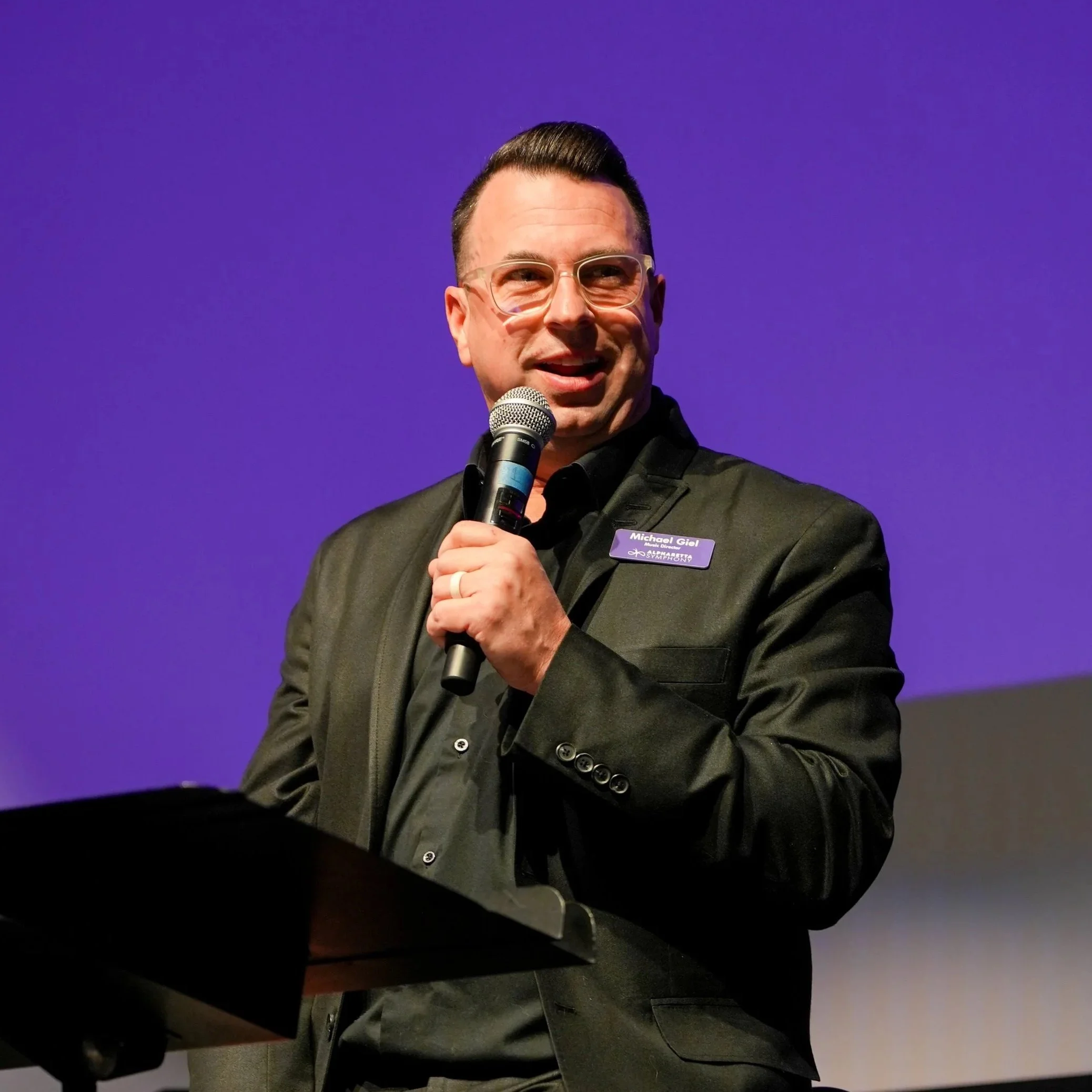
About the author
Michael Giel, Music Director